4
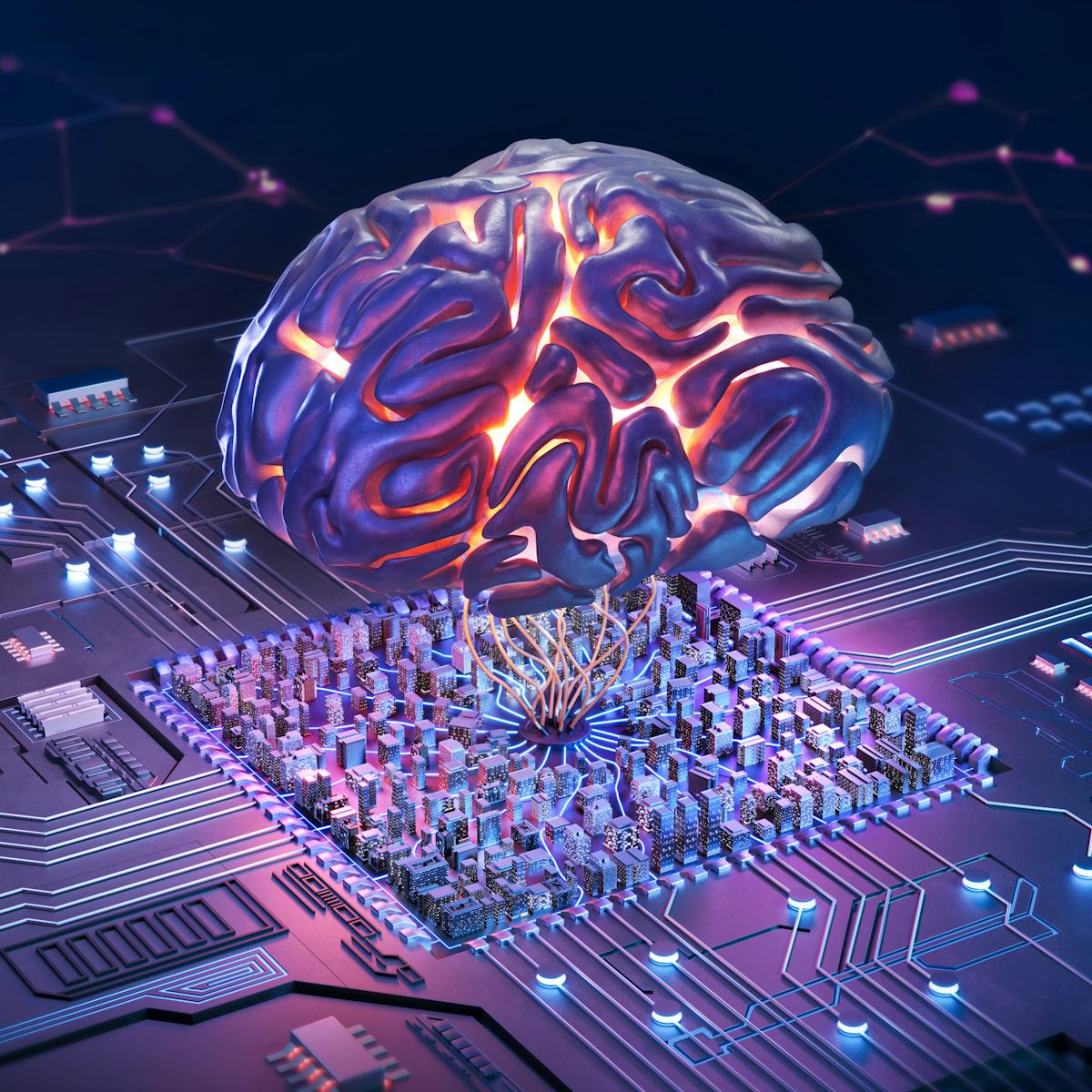
Image credit: AI-generated illustration for Tech Chronicles
Short Blog Article
Recent posts on X from Elon Musk have once again put Neuralink in the spotlight.
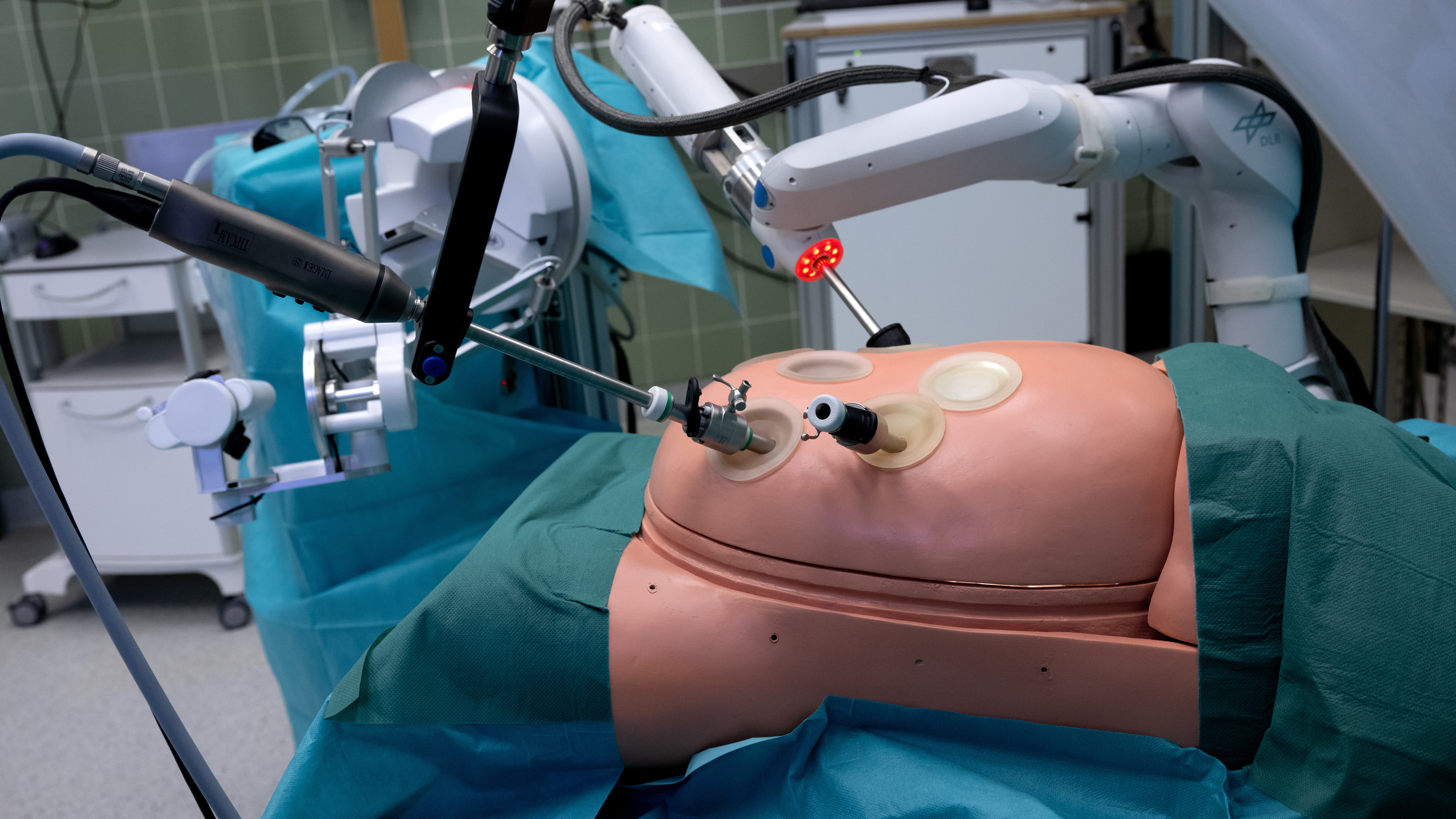
Musk said the company is working toward high-volume production of its brain-computer interface chips and developing an almost fully automated surgical implantation process. If achieved, this could move Neuralink from small clinical trials into real-world medical use.
Neuralink’s implants are designed to help people with paralysis or neurological disorders control computers using their thoughts. Some early trial participants have already been able to move a cursor, type messages, and play simple games with the device.
Why This Matters
1. Mass Production
Lower costs and more access for patients.
2. Automated Brain Surgery
Robotic implantation could make procedures faster and more precise—though safety testing is still ongoing.
3. The Bigger AI Future
Musk’s long-term vision includes humans working more closely with AI through brain-computer interfaces.
Why AI Students Should Watch This
Since you’re studying programming and looking for remote AI jobs, this field will need:
- AI engineers
- Data scientists
- Cybersecurity specialists
- Medical software developers
Neurotechnology could become one of the biggest tech job markets of the next decade.
Final Thoughts
Neuralink is still early and controversial, but the latest updates suggest a shift toward real-world deployment.
Whether it becomes a breakthrough like smartphones—or stays a niche medical tool—the race to connect brains and computers is already underway.